
 (Para español)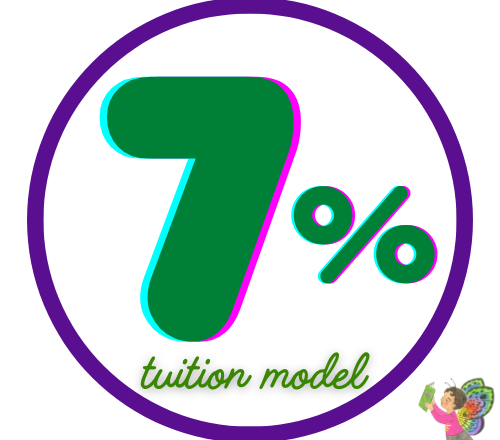
Ballard Introduces 7% model!
 Around 1 in 4 families live paycheck to paycheck in our community. Childcare can be hugely cost prohibitive, with the average Kansas family spending 20% of their wages on childcare. This leads to incredibly difficult choices for parents between care and work, relying on family and friend care, or taking time off and out of the workplace, which can have a lasting impact on families. Affordable childcare has amazing benefits not only for the child, but for the family and community. The need for affordable care is immediate and essential.
Based on the US Health & Human services standards, childcare is affordable when it costs no more than 7% of household income, which is why this year the Ballard Center has launched a 7 % Tuition Model. This model ensures that no family pays more than seven percent of their household income for childcare.
Ballard’s 7 % Tuition Model aligns tuition with family income, guaranteeing that parents pay only what they can afford while preserving access to high-quality early education for children aged two to five.
Last modified: February 2, 2026

 The Ballard Center partners with individuals and families to achieve stability through early childhood education and needs-based services by cultivating a strong network of organizations, businesses, and individuals dedicated to serving our community.


